
A career in communications?
Aceil Haddad is a Founder and PR Consultant at Matt PR. For National Careers Week, she sheds a light on careers in communications and what a typical day looks like for her.

When I was younger, I didn’t really know what a career in communications entailed – so if you do, you’re already one step ahead of the game.
Communications is a broad field. And I mean very broad. It exists everywhere and across almost every sector you can think of. One of the biggest misconceptions is that it’s a single job with a single path. In reality, if one area doesn’t appeal to you, there will almost always be another that does.
So what is communications?
In simple terms, it’s about communicating a company, person or product to the audience you need to reach. That might be to inform, influence, reassure or sell. Some of this work is very visible - press coverage, campaigns, websites and social media. But a lot of communications happens behind the scenes. It’s preventing crises before they happen, handling sensitive issues, negotiating with stakeholders, correcting mistakes, and making sure the right message reaches the right people at the right time.
Everyone needs communications.
If you’re interested in politics, you might help the Prime Minister explain changes to student loans or government policy. In retail, you could be supporting a supermarket, like Waitrose when they need to recall a product. In defence, communications teams in organisations such as the Royal Navy coordinate messaging with international forces. In healthcare, the NHS relies on communications to protect public health - from “stay at home if you have a cough” to nationwide vaccination campaigns. Even beauty brands launching a new product depend on clear, persuasive communication.
That’s what makes communications such an exciting career. Unlike some roles, you often gain early access to key decision-makers. The work is fast-paced, no two days look the same, and if you want it to, communications can even give you opportunities to travel or work internationally.
So where do you begin?
Unlike many professions, there isn’t one specific course you have to take. Yes, you can study PR, communications, media or marketing, but this isn’t essential. What matters most is building transferable skills - especially writing, digital awareness, and an understanding of how messages influence people.
That might sound vague, but it’s actually a huge opportunity.
You can start developing these skills right now. Writing for a school or college magazine, helping run a society’s social media account, volunteering for a charity, starting a blog, or even analysing how organisations communicate online all count as experience. You could even start a campaign yourself. For example, if you want your school to install solar panels, write to your headteacher - and maybe your local councillor or MP - explaining why. Set out the benefits clearly, build support from teachers and students, and see how far your message can go.
Employers care less about perfect grades and more about curiosity, creativity and the ability to think clearly.
If you enjoy words, current affairs, problem-solving or explaining complex ideas simply, communications could be for you. It’s not about being the loudest person in the room, it’s about thinking carefully about what needs to be said, how it should be said, and who needs to hear it.
And if you don’t have everything figured out yet, that’s okay. A career in communications isn’t linear, and that’s one of its biggest strengths.
Next steps if you’re interested in communications
Get writing: Start a blog, contribute to your school magazine, or write opinion pieces on topics you care about.
Build digital skills: Learn how social media works beyond posting - analytics, audiences and tone all matter.
Gain experience early: Volunteer with a local charity or community group to help with newsletters or social media. Helping them communicate with young people can be your USP - many organisations really struggle with this.
Explore routes in: Look into apprenticeships, internships, or entry-level roles like communications assistant or PR trainee.
Stay curious: Follow organisations, journalists and brands you admire and pay attention to how they communicate.
You don’t need to have a fixed plan, just a willingness to learn, practise and communicate clearly.
A Day in the Life of a PR Consultant
Name: Aceil Haddad
Age: 35
Job Title: Founder and PR Consultant
Company: Matt PR
1. About Me
I have worked in communications for nearly 15 years. I got my first job at 21 after applying for over 300 jobs. I started in stakeholder engagement and public affairs, working with developers and infrastructure businesses to get planning applications through. I would arrange, attend and support stakeholder engagement sessions within the community, meet with local councillors, MPs and other key stakeholders to walk through projects and feedback any queries or concerns to the project team. In my next role, I took on more corporate affairs work, working with the boards of companies to help shape and communicate their messages. 5 years ago, I set up my own company and I continue to do this.
Since my teens, I have been a campaigner and activist. My communications journey effectively started when I was 16, supporting the local council with grant giving to local youth projects. During a council meeting, I asked if we could have a double-page spread in the council newspaper for young people. I then created a group of about eight of us to write local news stories and find opportunities for other young people. My activism streak has continued, I’ve worked with homeless organisations, community groups and national lobbying efforts from being the head of Pregnant Then Screwed to now working with Centenary Action where we are seeking to get to a 50/50 parliament by the centenary anniversary of all women getting the vote in 2028.
2. My Typical Day
Start Time: 9am | End Time: varies!
7:45am – Wake Up
I get up and help get the kids ready for the school run. While I’m getting my brain in gear, I’ll listen to The FT News Briefing to see what’s happening in the world and think about what my clients might need that day.
9:00am – Coffee & Emails
Coffee first, always! I dive into emails and try to get down to zero, or at least figure out priorities. I do a lot of writing, but mornings aren’t my best time, so I schedule my week with dedicated writing blocks. I’ll also check the news to see what stories are trending. If something urgent comes up, I’ll draft a comment for a client (we call this newsjacking) and share it with journalists.
10:30am – Meetings Start
I try not to have meetings before 10:30am so I can get admin done first. Most days, I’ll meet a client, a journalist, or someone in my profession. Sometimes it’s online, sometimes in person.
11:30am – Social & Updates
I check emails and LinkedIn again for 20–30 minutes. On Tuesdays, Thursdays, and Fridays, I draft posts about clients, projects, or industry observations.
Lunchtime
I’d like to say I take a proper lunch break, but usually, I catch up on the news and listen to a podcast while eating.
1:30pm – Client Catch-ups
Monthly meetings with clients are all about planning ahead. I like to work quarterly, so we review schedules, focus areas, and any changes coming in the next months.
3:00pm – Writing & Tasks
After client meetings, I’m buzzing with energy. I use this time to draft anything needed - op-eds, press releases, or longer tasks. I also work through my to-do list when I’m in the zone.
5:00pm – Prep for Tomorrow
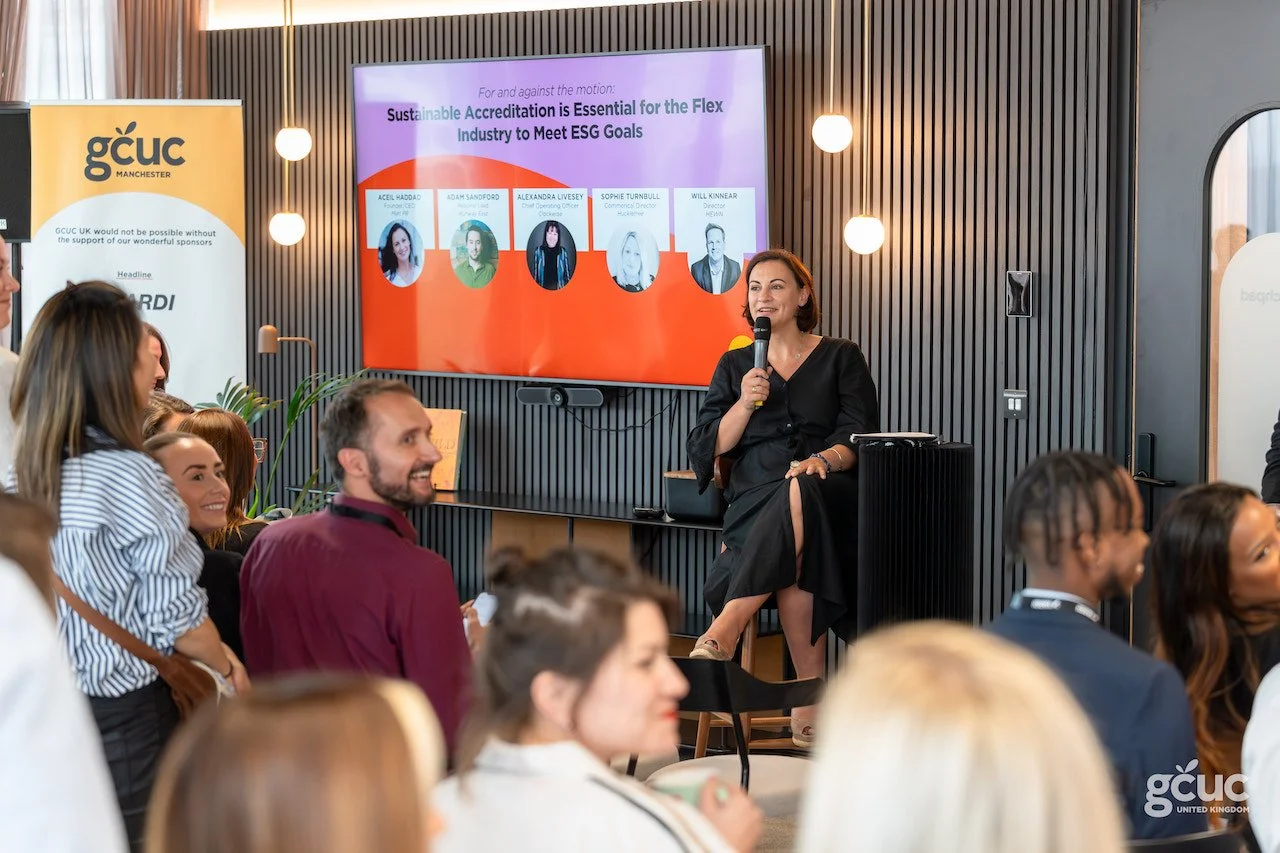
I check my diary and prep for the next day. For example, if I’m chairing a panel discussion, I draft questions, research, and make notes.
7:00pm – Networking & Events
A few times a week, I go to networking events, client dinners, or evening meetings for professional or pro-bono projects like the Company of Communicators or Centenary Action.
3. Favourite Part of the Job
Variety! One week I might be in Parliament, the next in a community centre. I get to meet all kinds of people, travel around the city (and sometimes the country), and collect stories, ideas, and different perspectives.
It’s exciting because every meeting, every event, and every story teaches me something new and that keeps the job fun and never boring.
4. Skills I Use Every Day
Being a PR consultant means juggling lots of different tasks, so I use a mix of skills every single day:
Communication – Whether I’m writing press releases, pitching ideas to journalists, or talking to clients, clear communication is key.
Creativity – I need fresh ideas for campaigns, social posts, or events that grab attention.
Organisation & Planning – With multiple clients and deadlines, I have to stay on top of my schedule and plan ahead.
Networking & Relationship-Building – PR is all about knowing the right people and keeping good relationships with them.
Research & News Awareness – Staying on top of trends, stories, and industry news helps me react quickly and give clients the best advice.
Problem-Solving – Things don’t always go to plan. Being able to stay calm, think on my feet, and find solutions is crucial.
In short, it’s a mix of creativity, people skills, and strategy all rolled into one fast-paced, exciting job!
5. Tools & Technology I Use
Email & Calendar
Social Media Platforms
Media Databases & Press Tools
Writing & Editing Tools
Video & Meeting Tools
LLMS – ChatGPT, AskClaude
6. Fun Fact About My Job
I once sold a multi-million-pound house because of a piece of coverage from The Sunday Times
